









Repent, Receive, and Remain
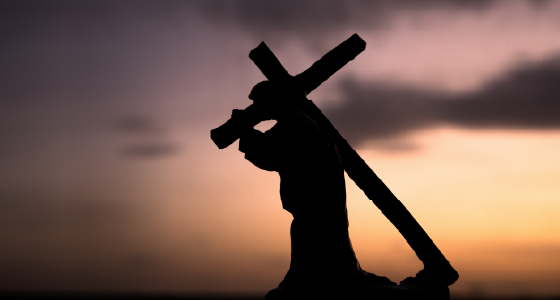
During my conversion in high school, I repented of my sins and received Jesus Christ into my life. Today, I live out my faith in the knowledge that, if I remain united to Christ until death, I will enter into heavenly glory with him.
That’s all of it: repent, receive, and remain.
You don’t have to pray the rosary to be saved. You don’t have to perform a certain number of “good deeds” to be saved. And you don’t have to receive all seven sacraments to be saved. (Very few Catholics have ever done that, anyway.) Just repent, receive, and remain.
One reason Protestants and Catholics often talk past each other on the issue of salvation is that many Protestants view salvation as a single moment in our lives—the instant they “got saved.” Catholics agree that there is a single moment in our lives when we go from being a condemned sinner to being a saved child of God. That’s why I referred in the past tense to having repented and then received Jesus Christ when I was in high school.
But Catholics also recognize that salvation is a process. It doesn’t consist only of the moment we go from being damned to being “saved.” It has a “first moment” and a “last moment.” Our process of salvation continues throughout our lives, as we choose to remain united to Christ until we die and then go to be with him. That’s why Paul speaks of “the gospel, which you received, in which you stand, by which you are saved, if you hold it fast—unless you believed in vain” (1 Cor. 15:1-2).
Catholics believe in the gospel. We believe we are saved by the life, death, and resurrection of Jesus Christ, and that this is good news! Catholics and Protestants agree that Jesus’ victory over death is good news that we accept through faith; we just disagree on how God wants us to respond to that good news.
One of those big differences is on what you must believe to be saved. Whereas Protestants say Catholics overcomplicate salvation, many Protestants, especially “non-denominational” Christians, dangerously understate what we must believe to be saved. And this is where we see the first reason salvation comes from the Catholic Church: the Church reveals what we must believe to be saved.
In Salvation Is From the Catholic Church, Trent Horn answers common objections and explains why the Church is essential to God's plan of salvation. Get your copy today!
Recent Posts
-
Mother Teresa: All for Jesus
As we should expect, Mother Teresa’s idea of holiness was simple and direct. For her, sanctity begi …Sep 30th 2026 -
The Key to Happiness
Let’s lay down some groundwork by considering why we act as we do. Unlike irrational animals driven …Sep 24th 2026 -
Debunking Catholic Socialism
Poverty and unjust working conditions are real problems, and sometimes their root lies in an unjust …Sep 22nd 2026